
Acquiring undeveloped land is often the first step in a larger investment, agricultural, or commercial development project. However, raw land rarely comes ready for construction or operational use. Before development can begin, the property typically requires site preparation through land clearing.
This guide explains the land clearing process and the general cost ranges associated with preparing undeveloped property for development or improvement.
1. What Is the Land Clearing Process?
Land clearing is the process of preparing undeveloped property for construction, agricultural use, or commercial development by removing natural obstacles such as trees, brush, stumps, rocks, and debris.
The process typically involves several stages:
Surveying and Permitting
Before clearing begins, property boundaries are confirmed and local regulations are reviewed. Depending on the jurisdiction, permits or environmental approvals may be required prior to clearing activities.
Vegetation Removal
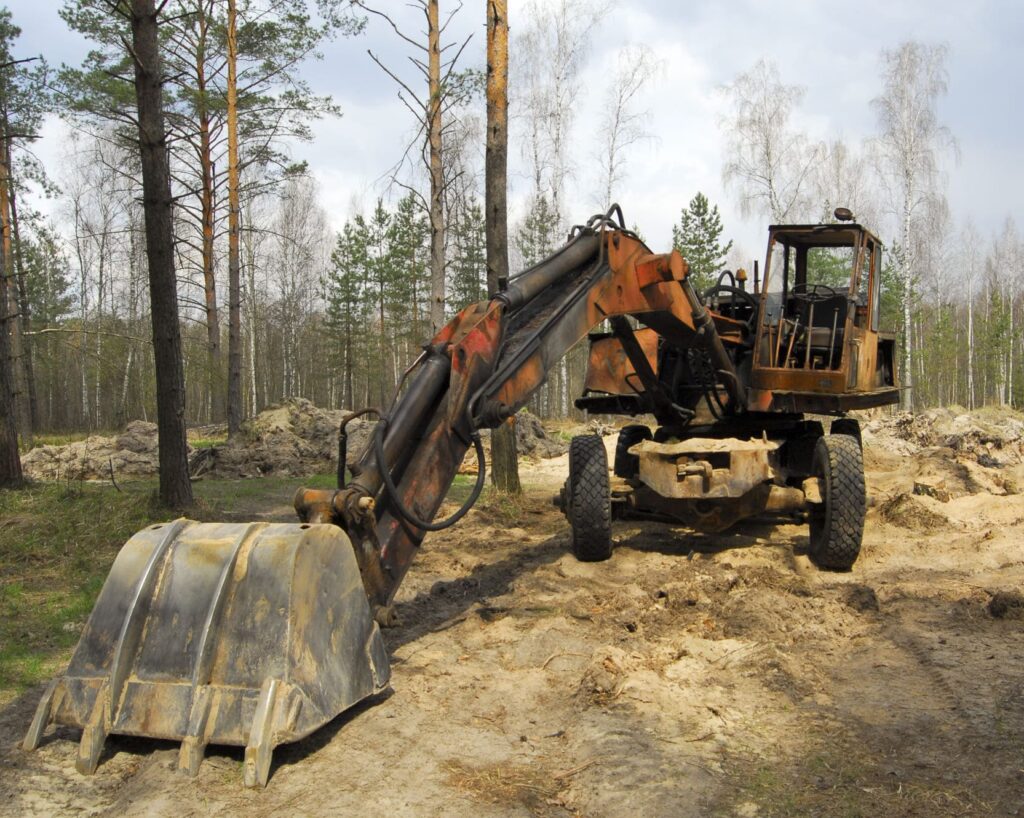
Heavy equipment such as excavators, bulldozers, and forestry mulchers is used to remove trees, dense brush, and overgrowth that may interfere with development.
Grubbing and Stump Removal
Tree stumps and root systems are removed to prevent regrowth and to prepare the soil for grading or construction.
Grading and Site Preparation
The final stage typically involves leveling the land and improving drainage conditions to create a stable surface suitable for development or operational use.
2. Factors That Influence Land Clearing Costs
Land clearing costs can vary significantly depending on several property characteristics:
Vegetation Density
Properties with light brush and small vegetation are typically less expensive to clear than heavily wooded acreage with mature trees.
Terrain Conditions
Rocky soil, steep slopes, wetlands, or swampy areas can increase equipment time and labor requirements.
Property Size
Larger projects generally increase total costs, although contractors may offer lower per-acre pricing for larger tracts.
Debris Handling
Some projects mulch debris on-site, while others require hauling and disposal. Off-site removal typically increases project costs.
3. Typical Land Clearing Cost Ranges
Actual pricing varies by region, contractor availability, and site conditions. However, general industry estimates for land clearing projects are often within the following ranges:
Light Clearing
$500 – $2,000 per acre
Brush, grass, and small saplings
Moderate Clearing
$2,000 – $4,000 per acre
Mixed brush, trees, and stump removal
Heavy Clearing
$4,000 – $6,000+ per acre
Dense tree coverage, mature timber, or difficult terrain
Property owners and developers should obtain site-specific evaluations from qualified contractors before budgeting for a clearing project.
Conclusion
Land clearing is a key step in transforming undeveloped land into usable property for development, agricultural operations, or investment improvement. Understanding the clearing process and the variables that affect pricing can help investors and developers plan projects more effectively and avoid unexpected site preparation costs.