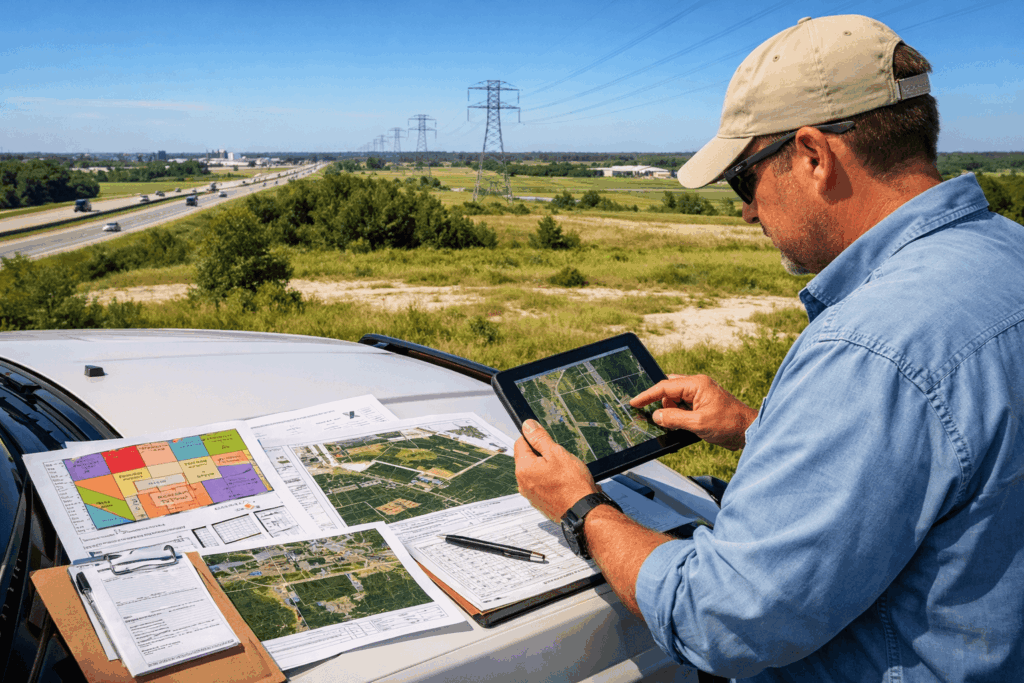
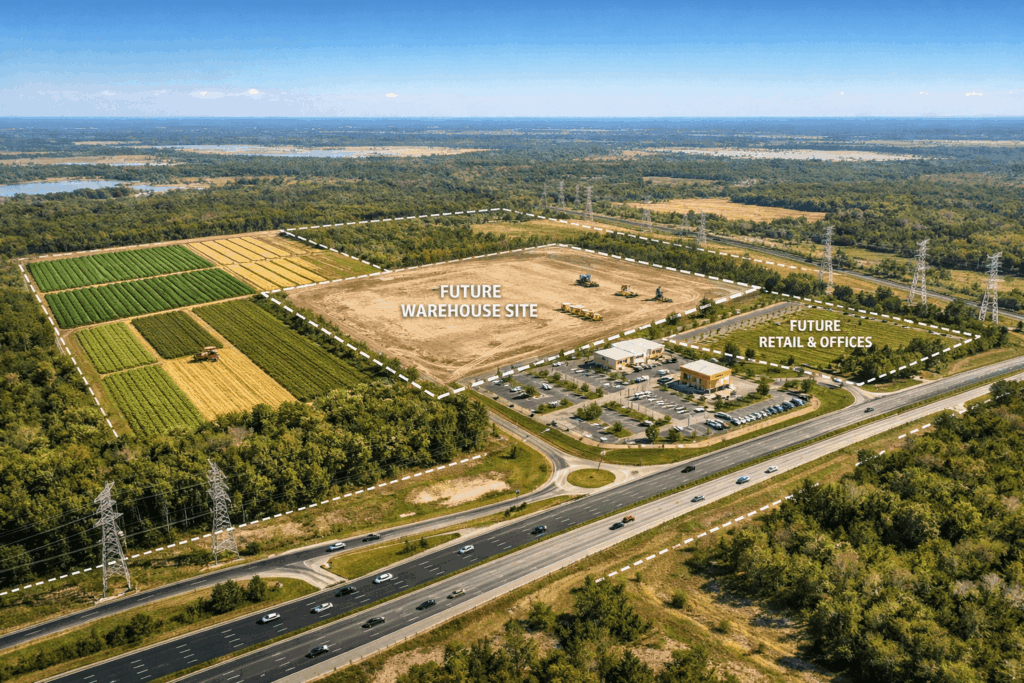
Land acquisition decisions in Florida are often influenced by factors such as location, acreage, and pricing. However, experienced land investors typically evaluate additional strategic considerations when determining whether a parcel aligns with long term portfolio objectives.
Unlike developed real estate assets, raw land provides a range of potential uses that may evolve over time depending on zoning, infrastructure development, and regional growth patterns. Because of this flexibility, many investors approach land acquisition as part of a broader strategic planning process rather than a short-term transaction.
This article reviews how land investors often evaluate parcels in relation to long term planning objectives and highlights several considerations that may influence acquisition decisions.
Defining Strategic Objectives Before Acquisition
Land investors frequently begin the evaluation process by identifying the intended role of the parcel within a broader portfolio or operational strategy. Clarifying these objectives can help guide due diligence and improve alignment between the characteristics of a property and its potential uses.
Different operational or investment strategies may require different land characteristics. These may include acreage requirements, access considerations, zoning compatibility, and proximity to regional infrastructure.
When these factors are evaluated in advance, investors are often better positioned to identify parcels that support their long term objectives.

Evaluating Land Characteristics and Use Flexibility
Not all parcels provide the same level of operational flexibility. Zoning frameworks, environmental conditions, and access infrastructure can significantly influence how land may be used now or in the future.
Investors frequently evaluate parcels based on factors such as:
- Zoning and permitted land uses
- Accessibility to transportation corridors
- Utility availability or planned utility expansion
- Soil characteristics and drainage conditions
- County land use regulations
These characteristics can influence whether land may support agricultural activity, commercial development, storage operations, logistics uses, or other operational functions.
Infrastructure and Regional Planning Considerations
Regional infrastructure development often plays a significant role in shaping how land may be used over time. Transportation projects, utility expansion, and economic development initiatives can influence the long term usability of surrounding land.
Investors reviewing potential acquisitions often consider publicly available planning resources to better understand how regional infrastructure may evolve. These may include transportation plans, utility expansion schedules, and county land use planning documents.
By reviewing these planning signals, investors can gain insight into how accessibility, services, and development patterns may change across different areas.
Long Term Land Holding Strategies
Raw land is often treated as a long duration asset within diversified portfolios. Unlike developed properties that require active management or tenant occupancy, land holdings may allow for greater flexibility while regional conditions evolve.
Because infrastructure development, zoning adjustments, and regional growth typically occur over extended timelines, many investors evaluate land acquisitions with a long term planning horizon.
Key considerations may include:
- Strategic location relative to infrastructure planning
- Compatibility with existing zoning and land use plans
- Accessibility improvements over time
- Alignment with regional economic activity
These factors may influence how land fits within broader operational or investment strategies.
Conducting Independent Land Due Diligence
Investors evaluating land opportunities typically conduct independent research to determine whether a parcel aligns with their objectives. Public planning documents, county land use regulations, and infrastructure planning resources can provide important context during this process.
Understanding these factors can assist investors in assessing how different parcels may function within a broader land portfolio or operational strategy.
Land By Owner provides access to owner direct land listings that may be relevant for investors conducting independent research and due diligence. Parcels are presented with transparent pricing and without intermediary brokerage layers, allowing investors to evaluate opportunities according to their own business objectives.