
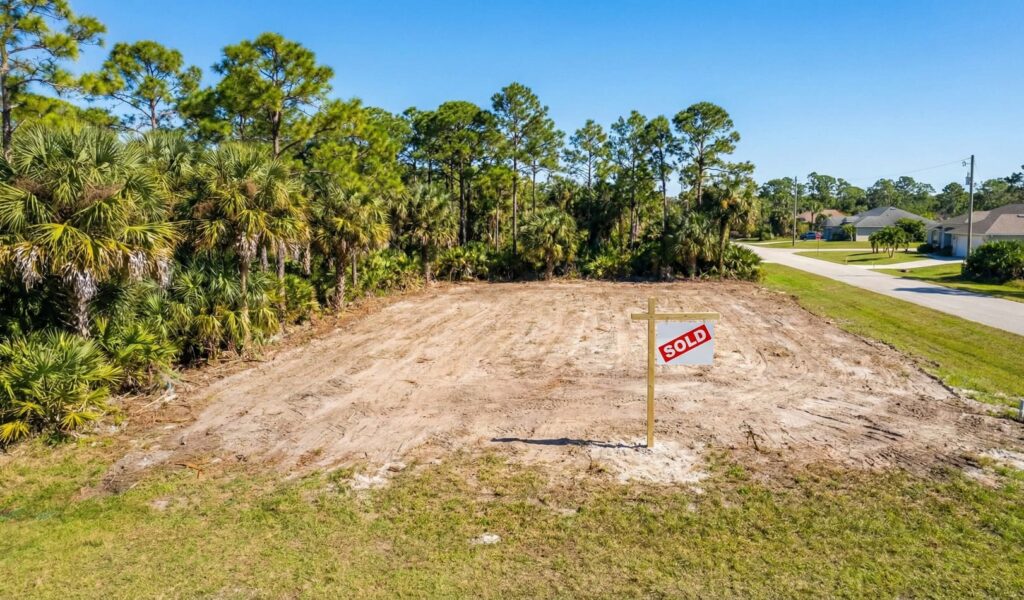
In Florida land transactions, acquisition is only one component of the overall investment lifecycle. Capital recovery depends on a defined exit strategy supported by market positioning, liquidity planning, and documented due diligence.
This material is intended for business-purpose land transactions only and is not directed toward consumer residential use.
1. Buyer Segmentation in the Secondary Land Market
Disposition outcomes depend on correctly identifying the likely buyer profile:
- Adjacent property owners seeking boundary control or expansion
- Small-scale developers targeting infill opportunities with utility access
- Investors completing tax-deferred exchange requirements
End-user residential buyers represent a limited segment in raw land transactions and should not be relied upon as a primary exit assumption.
2. Liquidity Considerations and Disposition Structure
Exit timing and pricing are directly influenced by how the offering is structured:
- Cash transactions
- Typically provide faster capital recovery
- Often require pricing adjustments to align with investor demand
- Seller-financed structures
- May expand the potential buyer pool in certain market conditions
- Introduce repayment performance risk, servicing obligations, and documentation requirements
- Must be evaluated carefully to maintain business-purpose classification and avoid consumer credit exposure
All financing structures should be supported by compliant documentation and risk controls.

3. Marketability and Transaction Readiness
Land assets tend to transact more efficiently when uncertainty is reduced through verifiable information:
- Confirmed zoning and permitted use
- Availability of surveys or boundary data where applicable
- Access conditions and infrastructure proximity
- Accurate and current visual representations of the property
Incomplete or unverifiable information can delay or prevent transaction execution.
4. Common Causes of Extended Hold Periods
Assets that remain inactive in the market often present one or more of the following conditions:
- Pricing misalignment with actual closed transactions rather than listed comparables
- Environmental or land use constraints, including wetlands or protected species considerations
- Title defects or conveyance limitations that restrict transferability
Each factor should be independently verified prior to acquisition and again prior to disposition.
5. Exit Planning as a Core Investment Function
A defined exit strategy should be established prior to acquisition and revisited throughout the hold period. This includes:
- Target buyer profile
- Acceptable liquidity timeline
- Disposition structure
- Risk tolerance related to financing or holding costs
Failure to define exit parameters may result in extended hold periods and reduced capital efficiency.
Conclusion
Florida land transactions require disciplined execution, documentation integrity, and clear separation between business-purpose investment activity and consumer-oriented use cases. Exit outcomes are influenced by preparation, verified data, and alignment between asset characteristics and buyer demand.
For business-purpose land acquisition and disposition support, Land by Owner provides a platform focused on property visibility and transaction facilitation. Users should independently verify all property details, conduct appropriate due diligence, and ensure that any transaction structure aligns with applicable regulatory frameworks and business-purpose classification.