For many landowners, vacant property represents an underutilized asset. With proper planning, zoning verification, and infrastructure preparation, land can support small-scale structures that increase property functionality and long-term value.
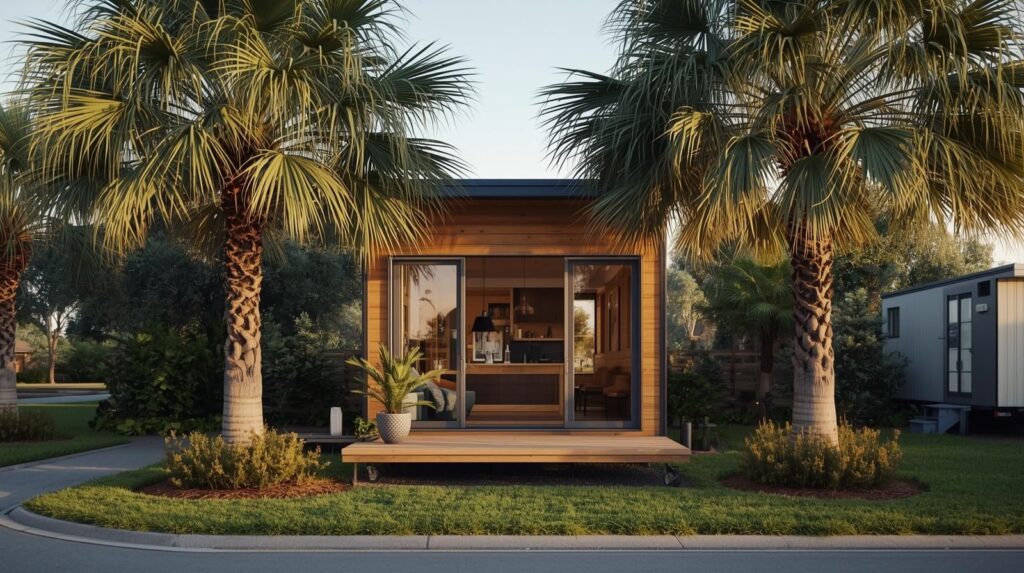
In Florida, smaller residential-style structures, often referred to as “tiny homes”, are sometimes used as permitted accessory buildings, short-term accommodation units, or rural land improvements depending on local zoning rules.
This overview explains key considerations for landowners evaluating whether small-structure development may be appropriate for their Florida property.
1. Why Small Structures Are Gaining Interest Among Landowners
Across many regions of Florida, property owners are exploring ways to increase the productive use of their land. Small residential-style structures may serve several potential land-use purposes where permitted, including:
- Short-term accommodation units
- Guest lodging structures
- Rural retreat rentals
- Supplemental structures on larger parcels
For landowners focused on property utilization or land-based business activity, smaller structures may require less site development than larger construction projects while still providing a functional improvement to the property.
Any proposed use should always be evaluated against local zoning and land-use regulations.
2. Zoning and Permitting Considerations
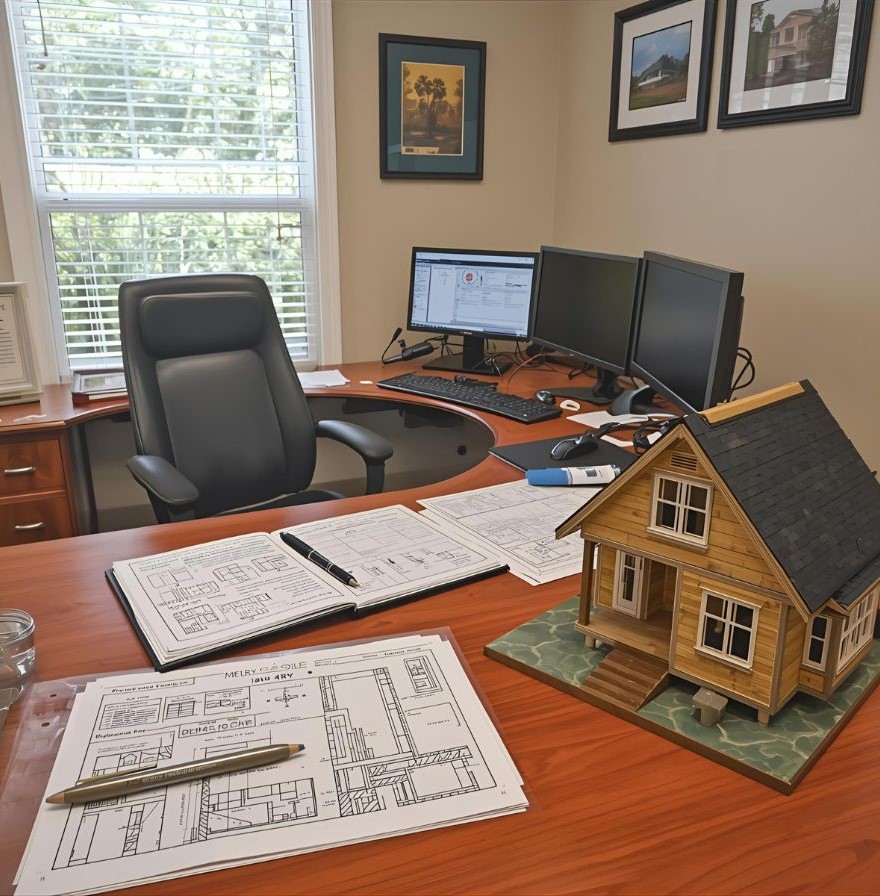
Before any construction planning begins, landowners should verify:
- County zoning classification
- Minimum dwelling size requirements
- Accessory structure rules
- Short-term rental restrictions
- Utility and septic requirements
Local building departments determine what structures are permitted on a parcel and how they must be constructed.
Florida building standards may require specific foundation types, wind-resistance design, and minimum square footage depending on the structure classification.
Landowners should confirm:
- building permits
- site development approvals
- environmental considerations
- utility connections
Skipping this step can result in compliance issues, fines, or forced removal of improvements.
3. Preparing Land for Development
Developing even a small structure requires proper site preparation. Typical steps may include:
- clearing vegetation
- grading the lot
- creating vehicle access
- installing septic or sewer systems
- connecting water or power
- preparing foundations
Site preparation requirements vary depending on:
- soil conditions
- flood zones
- hurricane wind exposure
- infrastructure availability
Proper planning helps ensure the structure meets local building standards and long-term durability requirements.

4. Design and Construction Considerations
Small structures must still meet the same structural safety requirements as larger buildings.
For Florida properties, design considerations often include:
- elevated foundations in flood-prone areas
- wind-resistant framing
- hurricane tie-downs
- energy-efficient construction materials
- durable roofing systems
Some landowners also incorporate outdoor features such as decks or screened areas to expand the usable footprint of the structure.
Working with builders familiar with Florida construction standards can reduce compliance issues during inspection and permitting.
5. Land Utilization Opportunities
When permitted by local regulations, landowners sometimes use small structures as part of a broader land-based business or property utilization strategy.
Possible examples include:
- short-term guest accommodations
- rural retreat rentals
- supplementary lodging on larger parcels
- seasonal tourism lodging
However, rental activity is regulated at the county and municipal level, and landowners should verify applicable rules before planning any income-generating use.
Market performance, occupancy levels, and operating costs vary widely by location.
6. Evaluating Whether a Property Is Suitable
Not every parcel of land is suitable for small-structure development.
Key factors to evaluate include:
- zoning permissions
- parcel size
- road access
- flood zone designation
- infrastructure availability
- local short-term rental rules
Conducting due diligence early helps landowners determine whether improvements are feasible before committing to development costs.
7. Land as a Long-Term Asset
For many property owners, raw land represents an opportunity to create flexible future use.
Thoughtful improvements, when permitted by local regulation, can increase the utility, functionality, and long-term potential of a parcel.
Landowners considering development should always verify requirements with local authorities and qualified professionals before beginning any construction project.
Closing
Land By Owner focuses on helping buyers locate land that may support future development, recreational use, or land-based business activities depending on local regulations.
Understanding zoning, infrastructure requirements, and permitted uses is the first step toward making informed land ownership decisions.